

Physiotherapy rooted in the philosophy of living well, across your journey.

Preserving Identity ~ Improving Movement ~ Enabling Participation
About: NeuroSpan Physio & Rehab
Approach
At NeuroSpan, I see the person before the diagnosis. We focus on what matters to you, preserving identity, improving movement and supporting participation in a life that feels like yours. And when you need a voice in your corner, I will advocate for you and the care you deserve.
The Work
Rehabilitation at NeuroSpan is purposeful, proactive and individualised. We plan for what you need now and create an action plan for how your needs may change over time, helping you build capacity, preserve function and navigate change with confidence.
Areas of Focus
NeuroSpan focuses on early intervention for neurological conditions, progressive conditions and movement disorders. We start rehabilitation early to build capacity, preserve function and reduce avoidable decline, while planning ahead for how your needs may change over time. The goal is not only to address what is difficult today, but to protect your ability to keep doing what matters to you for as long as possible.
My Values
Preserving identity | Improving movement | Participating in life
Good rehabilitation respects both the condition and the person living with it. Whether we are improving, maintaining or adapting, the goal is to help you keep living a life that feels like yours.
A little About Me.
Hello!
I’m Sneha Rajagopalan, a senior physiotherapist, researcher and founder of NeuroSpan Physio & Rehab!
Sne·ha Ra·ja·go·pa·lan
/ˈsneɪ·hɑ/ · /ˈrɑː·dʒə·goʊ·pɑː·lən/
noun
-
Sanskrit origin: Sneha means affection, compassion, love
-
Rajagopalan combines raja (king, guide) and Gopalan (protector, nurturer)
Together: One who brings warmth, compassion, and guidance to others; a protector who leads with care.
I’m on a mission to make movement enjoyable, realistic and meaningful, not simply a checklist of exercises to get through.
My focus is on helping people understand and explore their movement capacity, build confidence in their bodies and improve or maintain their physical capabilities in ways that are achievable and relevant to everyday life.
My work goes beyond physical outcomes. A neurological diagnosis may change aspects of how you move and what you can do, but it does not mean you stop being you. Rehabilitation should recognise the person behind the diagnosis and protect the roles, activities and experiences that make life feel like yours.
I have a particular interest in the early stages of neurological and progressive conditions and movement disorders. I believe rehabilitation has an important role from the beginning, not only once significant difficulties have developed. Early physiotherapy provides an opportunity to build physical capacity, establish sustainable movement habits, identify emerging challenges and work proactively to preserve function and participation.

Professional Focus.
I hold a Bachelor of Physiotherapy from Charles Sturt University and am a current research student, exploring the role of Dance Movement Therapy in supporting people with Functional Neurological Disorder (FND). My research work is contributing to publications in the areas of FND and creative, movement-based rehabilitation.
I also draw on my background in dance, weaving creativity and rhythmn into therapy to make movement engaging, empowering, and meaningful.
Beyond client care, I mentor and supervise junior physiotherapists and was honoured to be nominated for Best Clinical Mentor by the Australian Physiotherapy Association (APA). I’ve also presented at the APA Conference, speaking on the balance between ethics, innovation, and neurological rehabilitation.
At the heart of everything I do is a simple belief: rehabilitation should restore not just movement, but also joy, confidence, and connection. I want you to look forward to physio sessions, knowing that you will be ticking off your goals.
My Unique Approach.
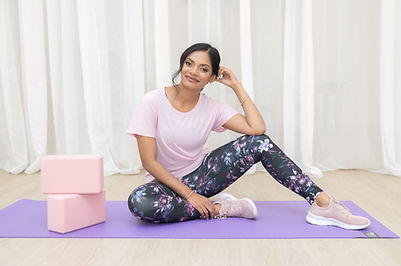
I believe physiotherapy should fit into your life. The exercises we do, should have some connection to something you want to achieve in your everyday life. That is why, I take it as my goal to create therapy that is realistic, enjoyable, and deeply personal.
One of my clients, an amputee, had a personal goal: she wanted to start dating again without her disability being noticed right away. Together, we practiced in places where dates usually happen—cafés, parks, and even ten-pin bowling. We worked on the movements, pacing, stairs, and mobility strategies that she would need so that when the moment came, she could focus on being herself. By doing so, her altered mobility, or balance disturbance would not give away her disability. Her disability would only be revealed when she chose to share it.
That’s what makes my approach unique: therapy that protects dignity, builds confidence, and prepares people for the life they want to live.

Practice Areas
Functional Neurological Disorder
FND can affect far more than movement. A diagnosis can change your confidence in your body, independence, relationships, roles, identity and sense of what life may look like moving forward.
My approach considers the whole person. Alongside functional movement retraining, exercise and education, we explore what it means to adjust to and live with FND, reconnect with your identity and find meaning in the parts of life that matter to you. We develop practical strategies for the good days and the more challenging days, so you have a plan for navigating fluctuating symptoms without putting life on hold.
Rehabilitation may also incorporate embodied approaches such as Dance Therapy, using movement, rhythm and expression to rebuild trust in your body and explore movement beyond symptoms.
My clinical approach is informed by my research in FND and is individualised around your movement, wellbeing, relationships, roles, environment and participation. The goal is not simply to manage FND, but to help you build a meaningful life alongside it.
Multiple Sclerosis
An MS diagnosis can bring questions that extend far beyond physical symptoms. What does this mean for your identity, your career, your young family and the life you had imagined for yourself?
My approach focuses particularly on the early stages of MS, when there is an important opportunity to build physical capacity, establish sustainable movement habits and plan proactively for the future. Together, we consider what you need now, what may change over time and how rehabilitation can fit around your work, family, relationships and the things that make life meaningful.
Your rehabilitation is guided by current evidence, including appropriate exercise type, intensity and progression across aerobic fitness, strength, balance and functional training, while considering fatigue, symptoms and individual capacity.
The aim is to give you more than an exercise program. It is to help you understand your body, preserve function and identity, and create a practical plan for continuing to live well with MS
Huntington's Disease
A Huntington’s diagnosis can change how you think about your future long before it significantly changes what your body can do. It can bring questions about identity, family, work, relationships and what the years ahead may look like.
My focus is on starting rehabilitation early. Together, we establish an evidence informed exercise and movement plan to build and preserve strength, fitness, balance, mobility and everyday function, while creating an action plan for how your needs may change over time.
We also look beyond physical rehabilitation. We consider the roles and activities that make you feel like you, how movement fits around family and work, and how to prepare for change without allowing the diagnosis to define the life you are living now.
I have also been involved in a small research project exploring Dance Therapy in Huntington’s disease, with a particular interest in how movement, dance and self expression may support identity and connection to self.
Parkinson's Disease
A Parkinson’s diagnosis can bring uncertainty about movement, independence and what life may look like over time. My approach is to start rehabilitation early, while you are still doing the things that make life feel like yours.
Together, we build an evidence informed exercise program targeting aerobic fitness, strength, balance, mobility and movement quality, with the right intensity and challenge for you. Rehabilitation may draw on approaches including PD Warrior, boxing based exercise, functional training, Dance Therapy, rhythm and cueing based movement, making rehabilitation varied, challenging and enjoyable.
We also plan beyond today.
We identify what you want to protect, consider how your needs may change over time and create strategies to maintain your participation in family life, work, hobbies and the community.
The goal is to be proactive from the beginning, preserving movement, confidence, participation and identity while supporting you to continue living well with Parkinson’s.